What Is The Best Way To Clean A Water Tank in Dubai?
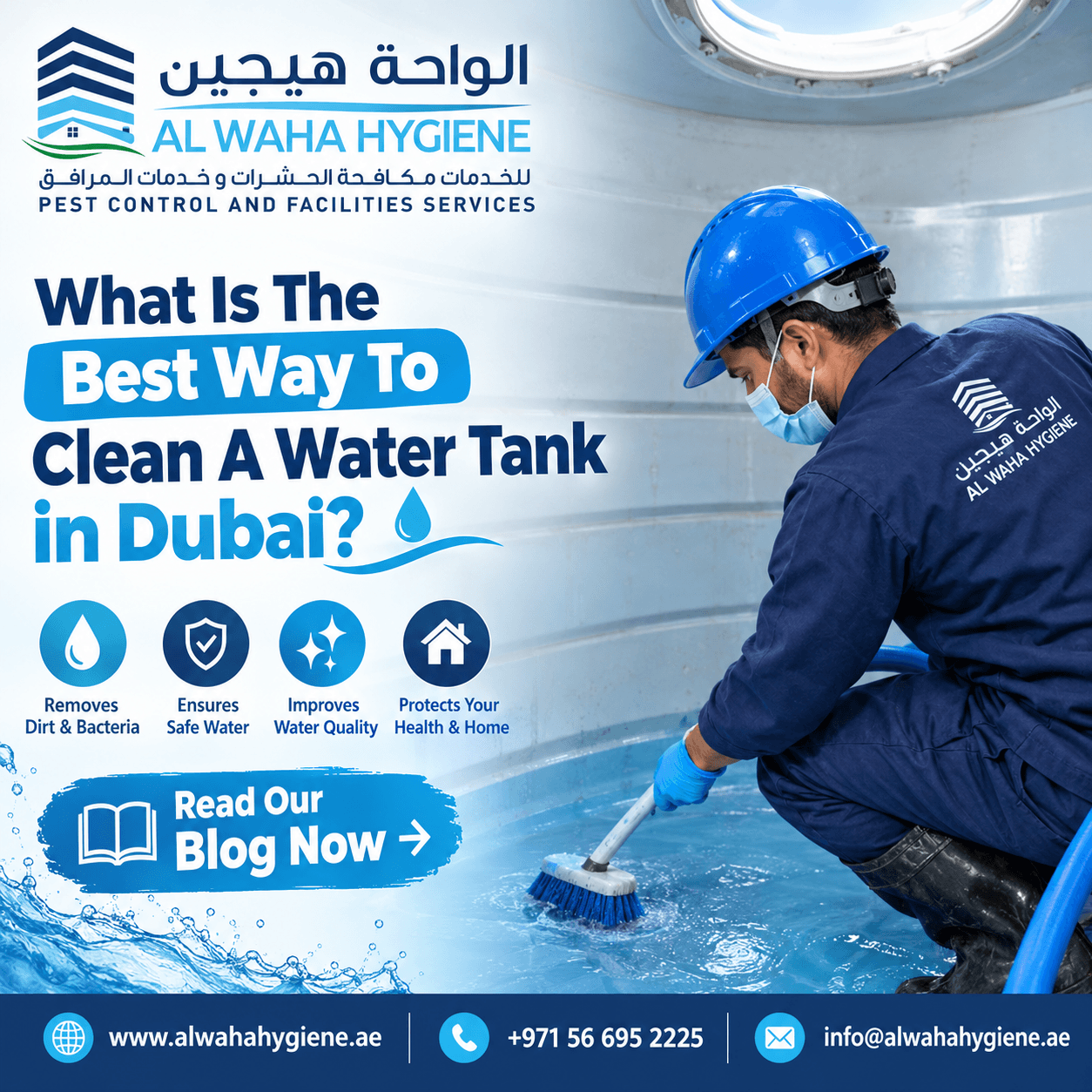
Clean water is essential for every home and business in Dubai. However, dust, sediment, damaged tank covers and poor maintenance can affect stored water quality. Water tank cleaning Dubai services help property owners maintain cleaner storage systems through proper inspection, cleaning and disinfection. Al Waha Hygiene helps customers understand the importance of regular tank maintenance and professional cleaning practices.
Why Does a Water Tank Become Dirty?
Dubai’s hot climate and dusty environment make regular tank inspections important. Over time, sand, sediment, algae and other contaminants may collect inside a tank. Loose covers, damaged seals and stagnant water can also increase contamination risks.
Common warning signs include unpleasant smells, unusual colour, visible particles and slippery deposits on tank walls. However, water can look clear and still contain harmful microorganisms. Never rely on appearance alone to judge water safety.
What Is the Best Method to Clean a Water Tank?
A safe cleaning process involves more than removing visible dirt. The following steps help address common tank hygiene problems.
1. Inspect the tank: Check the tank cover, walls, joints, inlet, outlet and surrounding area. Identify cracks, leaks, sediment and possible contamination sources before starting.
2. Drain the stored water: Isolate the tank safely and drain it using an appropriate method. Protect the water supply and ensure wastewater is disposed of correctly.
3. Remove sediment and deposits: Clean the internal surfaces using suitable equipment and approved cleaning products where necessary. Avoid harsh chemicals or tools that could damage the tank lining.
4. Disinfect the tank: Apply an appropriate disinfectant at the correct concentration and contact time according to the applicable guidance and product instructions. Never mix cleaning chemicals.
5. Rinse and refill: Remove residual cleaning solution as required, refill with potable water and restore the supply safely. Follow the recommended procedure before using the water.
6. Check the final condition: Inspect the tank again, secure the cover and check for leaks. Arrange water testing when contamination is suspected or verification is required.
How Often Should Tanks Be Cleaned in Dubai?
Dubai Municipality’s technical guidance for unbottled drinking water states that water storage tanks should be emptied, cleaned and disinfected at least twice a year. It also recommends monthly internal inspections and checking that tank covers remain secure.
Additional cleaning or corrective action may be necessary after repairs, flooding, suspected contamination or unsatisfactory test results. Property owners should follow current requirements applicable to their premises and water system.
What If the Water Still Smells or Looks Dirty?
If water has an unusual smell, colour or visible particles after cleaning, avoid using it for drinking or cooking until its safety has been assessed. Check the tank, connected pipes and plumbing system for possible contamination.
A water quality test Dubai service can help assess whether further investigation is needed. Depending on the concern, testing may include microbiological and relevant chemical parameters. Use a competent laboratory and follow its sampling instructions for reliable results.
How Can You Prevent Future Contamination?
Keep tank covers tightly secured, inspect access points regularly and repair cracks or damaged seals promptly. Prevent insects, birds, dust and debris from entering the storage area. Maintain records of cleaning dates, inspections and test results.
For broader property hygiene, deep cleaning Dubai services can address dirt in surrounding areas, while commercial cleaning Dubai solutions can support cleanliness in offices, shops and other business premises. These services complement tank maintenance but do not replace proper tank cleaning and disinfection.
If insects or rodents are entering the storage area, pest control Dubai services may help address the source of the problem. Customers searching for pest control near you should also ensure that any pest treatment is suitable for the location and does not contaminate stored water.
Why Choose Al Waha Hygiene?
Proper tank maintenance protects an important part of your property’s water system. Al Waha Hygiene helps customers understand cleaning requirements, identify potential hygiene concerns and take appropriate steps towards safer water storage.
For professional assistance, visit our main Water Tank Cleaning Dubai service page to explore the available service details and arrange support for your property.
Frequently Asked Questions
1. What is the safest way to clean a water tank?
The safest approach is to inspect, drain, remove deposits, disinfect using the correct procedure, rinse as required and refill with potable water. Unsafe tanks require professional assessment first.
2. How often should a water tank be cleaned in Dubai?
Dubai Municipality guidance recommends cleaning and disinfecting drinking-water storage tanks at least twice yearly. Additional cleaning may be needed following contamination, repairs or unsatisfactory water-quality results.
3. Can I clean a water tank myself?
Small, accessible tanks may appear manageable, but confined spaces, chemical exposure and contamination risks require caution. Never enter a tank without appropriate training and safety controls.
4. Why does tank water smell unpleasant?
Unpleasant smells may result from stagnant water, organic deposits, microbial activity or contamination within connected plumbing. Investigate the source and avoid drinking the water until its safety is assessed.
5. Is clear water always safe to drink?
No. Harmful microorganisms and certain chemical contaminants may be present without changing water colour or smell. Appropriate laboratory testing is necessary when water safety is uncertain.
6. What should I do if water contains visible particles?
Stop using the water for drinking and cooking until the problem is investigated. Check the tank and plumbing system, arrange appropriate cleaning and consider laboratory testing.
7. Which disinfectant should be used for tank cleaning?
Use a suitable, approved disinfectant according to applicable requirements and manufacturer instructions. Correct concentration, contact time and rinsing procedures matter; never mix chemicals or guess the dosage.
8. Does tank cleaning remove every water-quality problem?
Not always. Contamination may originate from supply lines, plumbing, damaged fittings or other sources. Further inspection and laboratory testing may be necessary to identify and resolve the underlying issue.
9. Should water be tested after tank cleaning?
Testing is advisable when contamination is suspected, results were previously unsatisfactory or verification is required. Follow the laboratory’s sampling instructions and applicable local requirements for meaningful results.
10. How can I prevent a tank from becoming dirty again?
Secure the cover, inspect the tank monthly, repair damaged seals, prevent debris entry and maintain cleaning records. Schedule cleaning at appropriate intervals and investigate unusual water changes promptly.