
How To Keep Your Home And Office Space Safe from Termites
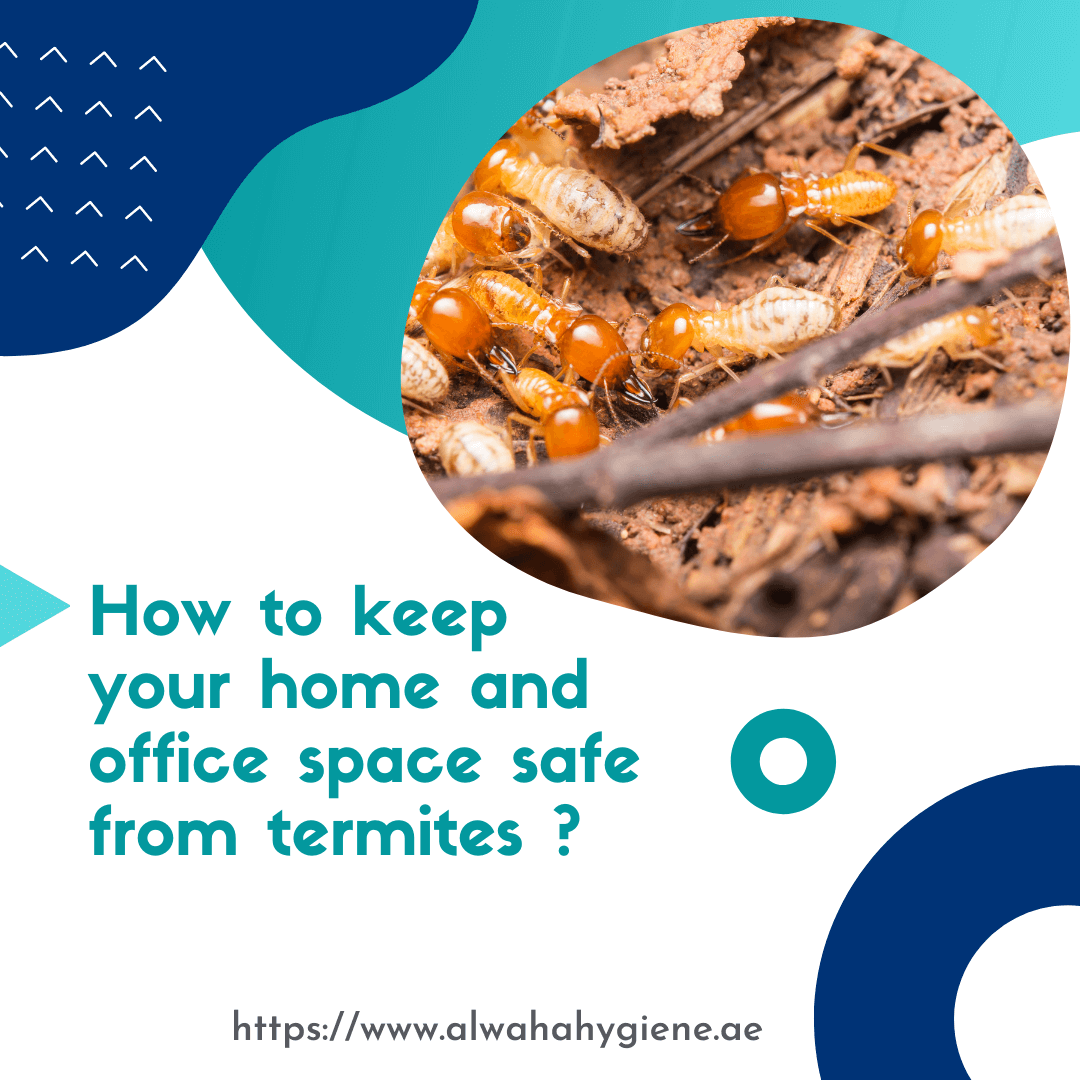
Termites can quietly damage furniture, wooden doors, cabinets, flooring, and other parts of a property before you even realize there is a problem. If you are looking for termite control Dubai, understanding the early warning signs and removing the conditions that attract termites can help protect your home or office from costly damage.
Why Are Termites a Problem in Dubai?
Termites often stay hidden inside wooden structures, walls, flooring, cupboards, and other dark areas. In Dubai, moisture from plumbing leaks, damp areas, condensation, and poorly ventilated spaces can create conditions that support termite activity.
The biggest problem is that visible damage may appear only after termites have been active for some time. Therefore, regular inspection is important, especially in properties with extensive wooden furniture or structures.
Check Wooden Furniture for Early Signs
Start by checking wardrobes, cabinets, wooden doors, skirting, flooring, and office furniture. Look for small holes, wood dust, hollow-sounding wood, cracked surfaces, or unusual damage.
Do not ignore small amounts of wood dust simply because the furniture looks normal from the outside. Termites can damage the inside of wooden materials while leaving the external surface relatively unchanged.
If you are searching for termite control near you, professional inspection can help determine whether the visible signs are limited to one item or indicate a wider infestation.
Fix Plumbing Leaks and Moisture Problems
Moisture is one of the important conditions that can contribute to termite activity. Check areas underneath sinks, near bathrooms, around water pipes, behind cabinets, and close to air-conditioning units.
If you find a leaking pipe or continuously damp area, repair the underlying problem as soon as possible. Treating termites without addressing a continuing moisture issue may increase the possibility of recurring activity.
Seal Cracks and Possible Entry Points
Inspect gaps and cracks around doors, windows, walls, flooring, pipes, and other service openings. Some pest problems can become harder to control when potential entry points are left untreated.
After identifying the source of the problem, suitable gaps should be sealed and damaged areas repaired. However, simply filling visible cracks may not solve an established termite infestation if the colony is already hidden inside the structure.
Why DIY Termite Treatment May Not Be Enough
A common mistake is treating only the termites that can be seen. Household sprays may kill visible insects but may not reach hidden activity inside furniture, walls, flooring, or structural wood.
If termites continue appearing after repeated DIY treatment, it is better to investigate the source instead of continuing with temporary solutions.
Al Waha Hygiene can help property owners identify termite-related concerns and determine an appropriate treatment approach based on the condition of the property.
When Should You Consider Professional Pest Treatment?
Professional help should be considered when wood damage continues, termite signs appear in different areas, or you cannot identify where the activity is coming from.
If your property is experiencing several pest problems at the same time, pest control Dubai services can also help address broader pest concerns affecting homes, offices, restaurants, and commercial spaces.
How Can You Reduce the Risk of Termites Returning?
Prevention starts with regular checks. Keep wooden areas dry, repair plumbing leaks quickly, avoid unnecessary moisture, maintain ventilation, and inspect furniture and storage areas periodically.
For people searching for pest control near you, choosing professional inspection when pest activity repeatedly returns can help identify the underlying cause rather than treating only the visible problem.
Protect Your Home and Office Before Damage Increases
Termites are easier to address when the warning signs are noticed early. Wood dust, hollow sounds, small holes, weakened furniture, and repeated termite activity should never be ignored.
Instead of waiting for visible damage to become extensive, inspect the affected area, correct moisture problems, check possible entry points, and seek professional assistance when needed.
For termite-related concerns in Dubai, Al Waha Hygiene provides professional solutions designed to help protect residential and commercial properties from termite activity and related pest problems.
FAQs
1. What are the common signs of termites?
Common signs include wood dust, small holes, hollow-sounding wood, damaged furniture, weakened wooden surfaces, peeling areas, and discarded termite wings around windows or doors.
2. Why do termites damage wooden furniture?
Termites feed on cellulose found in wood and other plant-based materials. They can enter furniture and gradually weaken its internal structure while remaining difficult to notice.
3. Can termites damage office furniture?
Yes. Office desks, cabinets, wooden partitions, storage units, doors, and other timber materials can be affected when termites establish activity inside a commercial property.
4. Does moisture attract termites?
Moisture can create favorable conditions for termite activity. Leaking pipes, damp walls, condensation, and poorly ventilated areas should therefore be checked and corrected.
5. Can DIY sprays completely remove termites?
DIY sprays may kill visible termites but may not eliminate hidden colonies. Persistent activity may require professional inspection to identify affected areas and determine suitable treatment.
6. How often should a property be checked for termites?
Regular checks are useful, particularly for properties with extensive wooden structures, previous termite problems, moisture issues, or areas where early signs of infestation have been noticed.
7. Can termites hide inside walls?
Yes. Termites can remain concealed inside walls, flooring, wooden structures, and other inaccessible areas, which makes professional inspection important when visible signs continue.
8. What should I do if termites keep coming back?
Repeated activity may indicate an untreated colony, moisture problem, entry point, or affected structural area. Identifying and correcting the underlying cause is essential.
9. Can damaged furniture spread termite problems?
Infested furniture can potentially contribute to termite activity spreading to other suitable wooden materials. It should be inspected carefully before being moved or reused.
10. When should I contact a termite professional?
Contact a professional when termite signs continue, wood damage increases, several areas are affected, or you cannot determine the source of the infestation.