How Can You Tell Whether a Tank Has Been Properly Cleaned?
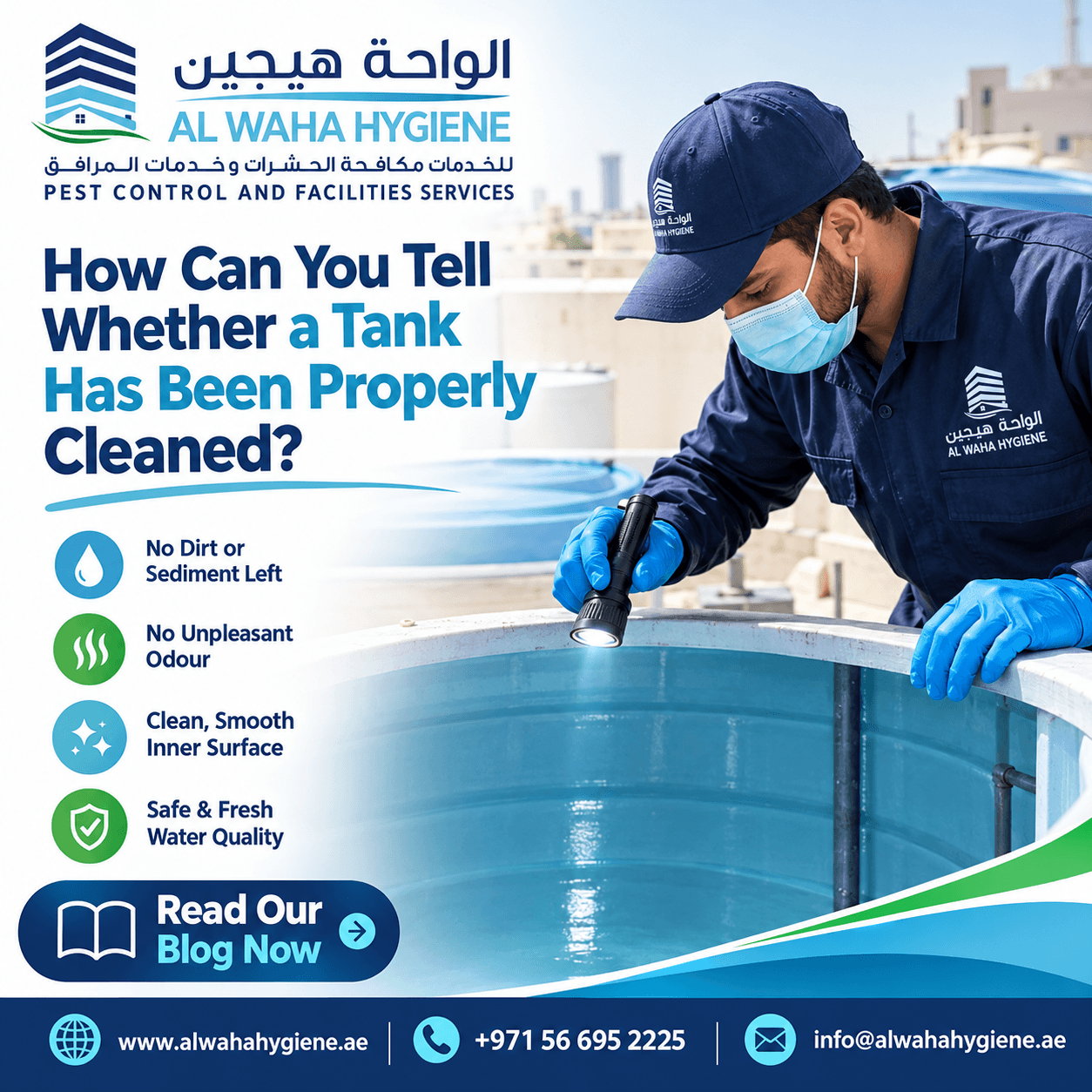
A clean water storage tank is essential for maintaining good water hygiene in homes, villas, and commercial buildings. However, removing visible dirt does not always mean the tank has been cleaned properly. Professional water tank cleaning Dubai services should include inspection, sediment removal, appropriate disinfection, and safe refilling. Understanding these steps helps property owners assess cleaning quality and identify potential hygiene problems before they become more serious.
1. Check for Visible Dirt and Sediment
After cleaning, accessible internal surfaces should be free from visible sludge, accumulated sediment, and loose debris. Pay particular attention to the tank floor, corners, and areas around the inlet and outlet pipes.
However, a tank that looks clean does not automatically mean its water is safe. Some microorganisms and contaminants cannot be identified through visual inspection alone. If the water continues to look unusual or has an unpleasant smell, investigate the cause instead of relying only on appearance.
2. Inspect the Tank Walls, Floor, and Fittings
A proper inspection should identify cracks, damaged coatings, leaking joints, loose covers, and faulty fittings. These defects may allow contaminants to enter the tank or cause water loss.
If dirt and hygiene problems extend beyond the tank into other parts of the property, professional deep cleaning Dubai services may help address additional cleaning needs. However, general deep cleaning does not replace the specific procedures required for water storage systems.
3. Confirm That Proper Disinfection Was Completed
Cleaning and disinfection are different processes. Cleaning removes accumulated dirt and deposits, while disinfection helps control harmful microorganisms when performed correctly.
Ask the service provider which disinfectant was used, whether it was suitable for the tank and intended water use, and whether the correct concentration and contact time were followed. The process should comply with product instructions and applicable local requirements.
4. Review the Cleaning Report
A professional service report helps you understand the work completed. Depending on the service, it may include the inspection findings, sediment removal, disinfection procedures, identified defects, and recommended follow-up actions.
For residential towers, offices, shops, and other business premises, commercial cleaning Dubai services can support wider property hygiene. However, commercial premises should maintain a separate schedule and documentation for water storage tank maintenance.
5. Check the Water After Refilling
After the tank has been cleaned and refilled, look for unusual colour, unpleasant odour, or visible particles. If these problems persist, contact the service provider to investigate the cause.
Clear water is not proof of safe drinking water. When contamination is suspected, a professional water quality test Dubai service can help assess relevant water-quality parameters through appropriate sampling and laboratory analysis.
6. Make Sure the Tank Is Properly Sealed
A cleaned tank can become contaminated again if its cover is loose or its access points are exposed. Check that the lid fits securely and that vents, openings, and pipe connections are appropriately protected against dust, insects, and other contaminants.
Pests around the tank area can also indicate a wider hygiene problem. Professional pest control Dubai services can help address pest activity around the property, while the tank itself must be protected against direct contamination.
If you are searching for pest control near you, choose a suitable provider and ensure that pest treatments are carried out without contaminating the water storage system.
7. Follow a Regular Maintenance Plan
Water tank hygiene requires ongoing attention rather than a one-time cleaning visit. Inspect covers and fittings regularly, address leaks promptly, keep maintenance records, and follow applicable Dubai Municipality guidance for cleaning and disinfection.
If your tank contains persistent sediment, has damaged components, or requires scheduled maintenance, Al Waha Hygiene can help you understand the appropriate service options for your property.
Frequently Asked Questions
1. How can I tell if my water tank has been cleaned properly?
Check for visible sediment, inspect accessible surfaces and fittings, review the service report, and confirm that suitable disinfection was completed. Water testing may be necessary when contamination is suspected.
2. Does a clean-looking tank mean the water is safe?
No. Harmful microorganisms and certain contaminants may be invisible. Appropriate sampling and laboratory testing can help assess water quality when there is a suspected contamination problem.
3. Is disinfection necessary after tank cleaning?
Disinfection is an important part of many tank cleaning procedures. The correct approach depends on the tank, intended water use, contamination risks, and applicable local requirements.
4. What should a tank cleaning report include?
A useful report may document the service date, inspection findings, cleaning and disinfection procedures, defects identified, and recommended follow-up actions. Ask your provider which records are included.
5. What should I do if dirt returns after cleaning?
Check whether the tank cover, inlet, or connected plumbing allows contaminants to enter. Ask the service provider to investigate recurring sediment and recommend suitable corrective action.
Conclusion
Proper tank cleaning involves more than removing visible dirt. Inspection, sediment removal, suitable disinfection, secure covers, and reliable service records all help support water hygiene. If concerns remain, professional assessment and appropriate testing can help determine the next steps.
Al Waha Hygiene encourages Dubai property owners to make water storage hygiene part of their regular maintenance plan.