How to Reduce Grease Related Drain Problems in Dubai
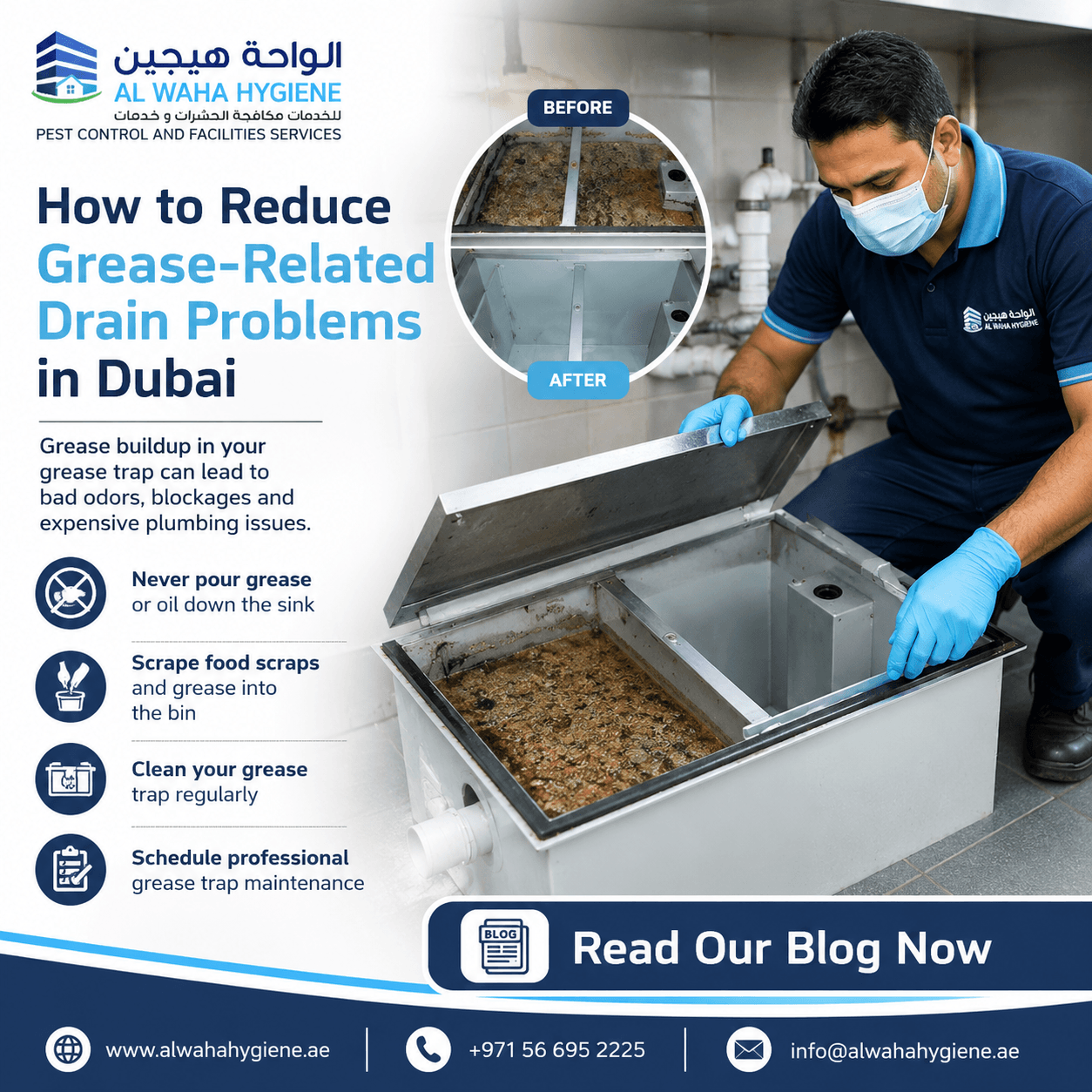
Grease-related drain problems can quickly become a headache for restaurants, cafés, hotels, and other commercial kitchens in Dubai. Cooking oil, fats, and food residue can stick to pipes and gradually restrict water flow, causing slow drains, bad smells, and wastewater backups. Understanding how grease enters the drainage system and taking preventive steps can reduce these problems. When accumulated grease requires professional attention, grease trap cleaning Dubai can help restore proper trap performance and support cleaner kitchen drainage.
Why Do Grease-Related Drain Problems Keep Happening?
Commercial kitchens produce grease every day. Even when staff clean sinks and floors regularly, small amounts of oil and food residue can still enter drainage points.
Over time, grease cools and sticks to the inside of pipes. Other food particles can then attach to this greasy layer, making the blockage larger. This is why a drain may work normally at first but gradually become slower.
Common signs include:
- Water taking longer to drain
- Repeated kitchen sink blockages
- Greasy or unpleasant drain smells
- Gurgling sounds from pipes
- Wastewater backing up
- Grease collecting around drainage points
A recurring problem usually means the underlying cause needs attention rather than another quick fix.
1. Stop Cooking Oil From Entering the Drain
The first step is prevention.
Used cooking oil should never be poured directly into kitchen sinks. Restaurants and food businesses should collect waste oil separately and follow suitable disposal practices.
Staff should also scrape excess grease and food particles from plates, pans, and cooking equipment before washing them. Small daily actions can significantly reduce the amount of FOG; fats, oils, and grease—entering the drainage system.
2. Maintain the Grease Trap Before It Becomes Overloaded
Grease traps are designed to separate grease from wastewater before it reaches connected drainage lines. But they have limited capacity.
When a trap becomes overloaded, grease can pass through into the drainage system. This increases the chance of blockages, odours, and poor drainage.
Cleaning should therefore be based on the kitchen’s workload rather than waiting for an overflow. A busy restaurant may need more frequent maintenance than a small café.
If recurring grease accumulation is becoming difficult to manage, businesses can refer to Al Waha Hygiene’s Grease Trap Cleaning Dubai service for professional maintenance support.
3. Do Not Treat Every Blockage With Chemicals
A chemical drain cleaner may seem like an easy answer when water starts draining slowly. However, it may not remove the deeper grease accumulation responsible for recurring problems.
Using strong chemicals repeatedly can also be unsuitable for certain plumbing systems. More importantly, it can hide the actual cause of the blockage.
If a commercial kitchen drain repeatedly slows down after temporary treatment, inspection and proper cleaning are more useful than continuously applying another chemical solution.
4. Keep Grease Away From Kitchen Floors and Work Areas
Grease does not only enter drains through sinks. It can also accumulate around cooking equipment, floors, washing areas, and other surfaces.
Regular kitchen cleaning helps remove grease before it spreads toward drainage points.
For businesses that need wider hygiene support, commercial cleaning Dubai services can help maintain kitchens and other commercial areas as part of a planned cleaning routine.
5. Use Deep Cleaning to Address Heavy Grease Build-Up
Daily cleaning handles routine dirt, but heavily used commercial kitchens can develop grease deposits in corners, behind equipment, under appliances, and around difficult-to-reach surfaces.
Periodic deep cleaning Dubai can help address these neglected areas and improve overall kitchen hygiene. It should work alongside routine grease trap and drainage maintenance rather than replace it.
A cleaner kitchen environment also makes it easier for staff to identify leaks, odours, grease accumulation, and other drainage warning signs early.
6. Pay Attention to Odours and Pest Activity
A strong smell coming from a drain is often an early warning sign. Grease, food particles, and stagnant wastewater can create an unpleasant environment and may contribute to pest activity.
If cockroaches, rodents, or other pests are appearing around waste and drainage areas, businesses should investigate the hygiene conditions rather than treating the visible pests alone.
Professional pest control Dubai support can help commercial establishments address pest concerns while improving hygiene practices that reduce potential attractants.
For businesses looking for pest control near you, choosing a professional provider familiar with commercial premises can be helpful when pest activity repeatedly returns.
7. Do Not Ignore Recurring Drain Problems
A drain that blocks once may have a simple cause. A drain that keeps blocking needs closer attention.
Recurring problems can indicate grease accumulation inside the trap, connected pipes, or drainage lines. Continuing to use the kitchen without addressing the cause can eventually result in wastewater overflow and disruption to business operations.
Early professional assessment can help determine whether the problem is related to grease, food residue, plumbing defects, or another drainage issue.
8. Include Water Hygiene in Your Overall Maintenance Plan
Commercial kitchen hygiene is not limited to drainage. Businesses also need to maintain other parts of their water and sanitation systems.
For establishments responsible for water storage systems, scheduled water tank cleaning Dubai services can be included in a broader hygiene and maintenance plan. Keeping different hygiene systems maintained helps businesses take a more complete approach rather than dealing with problems only after they appear.
When Should a Dubai Business Call a Professional?
Professional assistance should be considered when:
- The same drain keeps blocking
- Grease or sludge is visible in the trap
- Bad odours continue after routine cleaning
- Wastewater starts backing up
- The grease trap fills unusually quickly
- Basic cleaning no longer improves drainage
- Drain problems are affecting kitchen operations
The earlier the cause is identified, the easier it can be to prevent a minor maintenance issue from becoming a major operational problem.
Conclusion
Grease-related drainage problems are often preventable when Dubai businesses combine proper waste handling, regular grease trap maintenance, good kitchen cleaning practices, and early attention to warning signs.
The goal is not simply to unblock a drain after a problem occurs. It is to reduce the amount of grease entering the drainage system and maintain the equipment responsible for managing it.
For restaurants, cafés, hotels, and other commercial kitchens, a planned maintenance approach can help reduce recurring blockages, unpleasant odours, and unexpected disruption. When professional grease trap maintenance is required, Al Waha Hygiene can support businesses with professional hygiene solutions in Dubai.
FAQs – Grease-Related Drain Problems in Dubai
1. What causes grease to block commercial kitchen drains?
Cooking oil, fats, grease, and food particles can stick to pipe walls and gradually form deposits that restrict wastewater flow.
2. How can restaurants prevent grease from entering drains?
Restaurants should collect used cooking oil separately, remove food residue before washing, and maintain grease traps according to kitchen usage.
3. Why does my kitchen drain smell like grease?
A persistent greasy smell can indicate accumulated FOG, food residue, stagnant wastewater, or an overloaded grease trap.
4. How often should a commercial grease trap be cleaned?
Cleaning frequency depends on trap size, kitchen volume, and grease production. Busy kitchens generally require more frequent maintenance.
5. Are chemical drain cleaners effective against grease?
Chemical cleaners may provide temporary relief but often do not address deeper grease accumulation causing recurring commercial kitchen blockages.
6. What are the signs of a full grease trap?
Slow drainage, unpleasant odours, visible grease, wastewater backup, and frequent blockages can indicate that a grease trap needs attention.
7. Can grease cause wastewater to back up?
Yes. Heavy grease accumulation can restrict pipes and drainage lines, increasing the risk of slow flow and wastewater backing up into kitchen areas.
8. Why do commercial kitchen drains keep blocking?
Recurring blockages may result from continuous grease discharge, an overloaded trap, accumulated deposits, poor waste handling, or underlying plumbing problems.
9. Can poor kitchen hygiene attract pests?
Yes. Grease, food residue, standing wastewater, and improperly managed waste can create conditions that may attract cockroaches and rodents.
10. When should a business get professional grease trap maintenance?
Professional help is advisable when blockages, odours, grease build-up, or wastewater backups keep returning despite routine cleaning.