How to Reduce Termite Risks During Construction
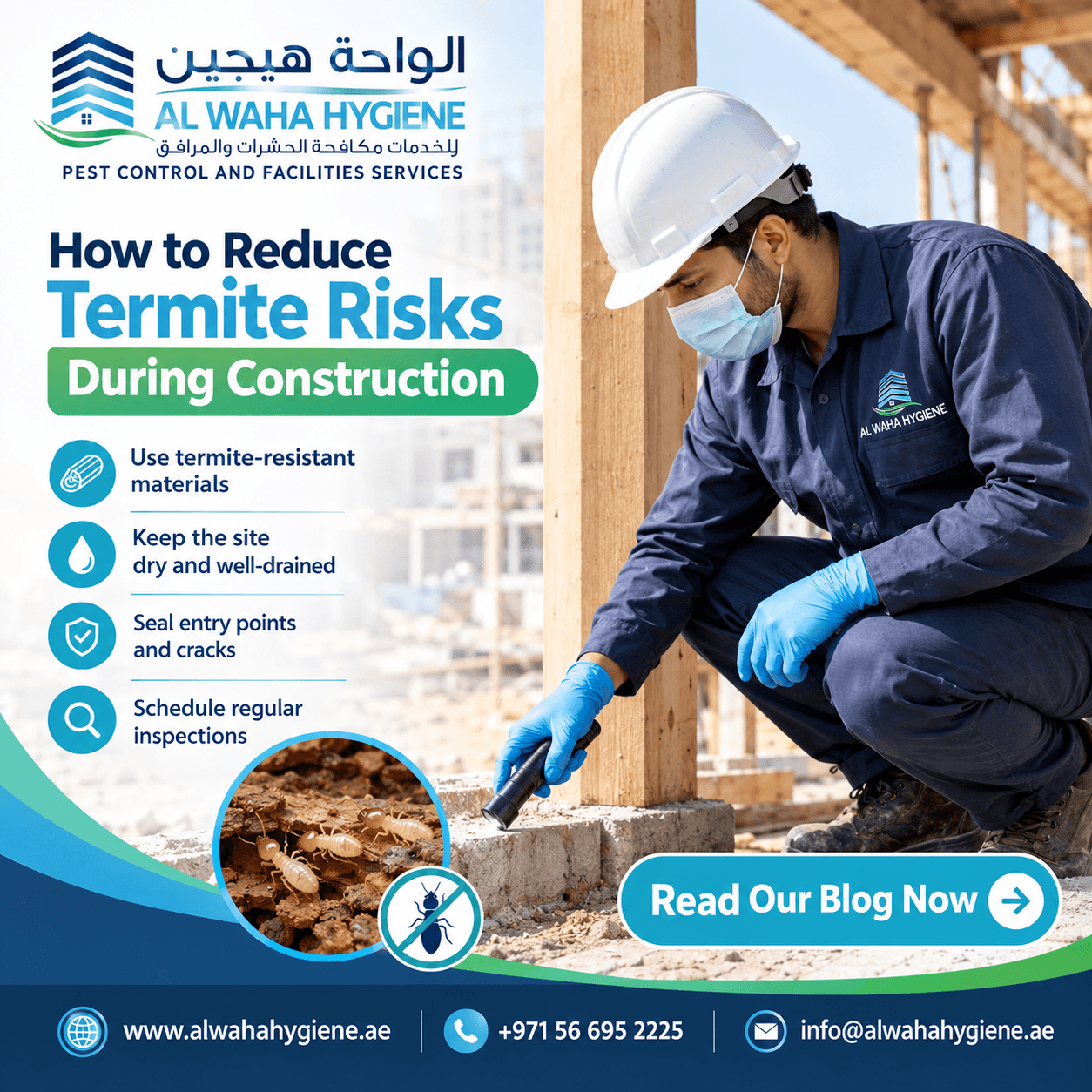
Termites can create serious problems for buildings when preventive measures are overlooked during construction. In Dubai, where new residential and commercial projects are continuously developing, addressing termite risks at the right stage can help avoid expensive repairs later. Pre & post construction termite treatment Dubai is one approach property owners and builders can consider to protect structures from termite activity.
Why Do Termites Become a Risk During Construction?
Termites can enter buildings through soil, foundation gaps, cracks, construction joints and other hidden routes. Once a building is completed, many of these areas become difficult to access. This can make termite detection and treatment more complicated.
Construction materials stored close to the ground, untreated soil and moisture around foundations can also create favourable conditions for termite activity. Identifying these risks early allows builders and property owners to take preventive action before the building becomes occupied.
Protecting the Building Before Completion
One of the most effective ways to reduce termite risks is to address vulnerable areas while construction work is still in progress. Soil around foundations and other suitable areas can be professionally assessed and treated according to the property’s construction requirements.
When considering treatment, the treatment approach should be based on factors such as foundation design, soil conditions, building type and the stage of construction. Professional assessment is important because every construction site has different requirements.
What If Termites Are Found After Construction?
Not every termite problem is discovered during construction. Sometimes signs become visible only after residents or occupants move into the property. Mud tubes, damaged wooden elements, hollow sounds, discarded wings and repeated insect activity can indicate a possible infestation.
If these signs appear, early action is recommended. A professional termite control Dubai provider can inspect the property, identify potential entry points and determine whether termite activity is limited to one area or has spread further.
Common Areas That Need Attention
During construction and property inspections, certain areas may require particular attention, including:
- Soil surrounding the foundation
- Foundation joints and construction gaps
- Areas where walls meet floors
- Wooden doors, frames and fittings
- Plumbing and moisture-prone locations
- External areas close to the building
- Cracks and possible entry points
If you are searching for termite control near you, look for a professional provider that carries out a proper inspection before recommending treatment. The right solution depends on the condition and construction of the property.
How Can Property Owners Reduce Future Risks?
Termite prevention does not end when construction is completed. Property owners can reduce potential risks by keeping the property dry, repairing plumbing leaks quickly, checking wooden structures periodically and addressing cracks or openings that could provide access.
Professional inspections can also help detect hidden termite activity before significant damage occurs. This is particularly useful for villas, commercial buildings and properties with previous termite problems.
For broader pest-related concerns, pest control Dubai services can help property owners identify and manage other pests that may affect their homes, offices or commercial spaces.
Why Professional Inspection Matters
Termites are often difficult to detect because their activity can remain hidden inside soil, walls and structural areas. Treating only visible signs may not address the actual source of the problem.
Al Waha Hygiene provides professional pest management solutions in Dubai with an inspection-based approach. The team can assess the property, identify potential risks and recommend suitable treatment based on the building’s condition rather than applying the same method to every property.
If you are looking for pest control near you, getting a professional assessment can help you understand the problem and choose an appropriate solution before the damage becomes more serious.
Frequently Asked Questions
1. Why should termite risks be considered during construction?
Construction provides easier access to soil, foundations and other vulnerable areas. Addressing potential termite entry points at this stage can make prevention easier than treating an established infestation later.
2. Can a newly constructed building get termites?
Yes. New buildings can develop termite problems when soil, foundations, construction gaps or vulnerable materials provide suitable entry routes for termites after or during construction.
3. What areas are most vulnerable to termites?
Foundations, soil around buildings, wall-floor joints, wooden fittings, construction gaps and moisture-prone areas can become potential termite entry or activity points.
4. How can I identify termites after construction?
Common warning signs include mud tubes, hollow-sounding wood, damaged timber, discarded wings and visible termite activity around wooden structures or other parts of the property.
5. Should termite treatment be done before construction is completed?
Preventive treatment can be considered during suitable construction stages because certain areas are easier to access before the building is fully completed and occupied.
6. What should I do if I find termites in my building?
Arrange a professional inspection as soon as possible. Identifying the source and extent of activity helps determine the most appropriate treatment instead of addressing only visible termites.
7. Can moisture increase termite risks?
Yes. Leaking pipes, water accumulation and damp areas can create favourable conditions for termite activity. Fixing moisture problems can therefore be an important part of termite prevention.
8. Is termite inspection necessary for existing buildings?
Regular inspection can be useful, especially for properties with previous termite activity, wooden structures, moisture issues or construction conditions that may increase the risk of infestation.
9. Can DIY methods completely remove termites?
DIY products may affect visible termites but may not address hidden colonies or entry routes. Professional inspection can help identify the underlying problem and suitable treatment options.
10. Are termite problems common in Dubai properties?
Termites can affect residential and commercial properties in Dubai. Risk varies depending on construction, surrounding soil, moisture conditions, building design and possible access points.
11. How can builders reduce termite risks?
Builders can identify vulnerable areas, follow appropriate construction practices, address moisture sources and consider professional preventive measures at suitable stages of the construction process.
12. Does termite prevention need to continue after construction?
Yes. Prevention is an ongoing process. Regular inspections, moisture control, maintenance and prompt attention to termite warning signs can help reduce the likelihood of future problems.