
What Happens When Pests Get Into Your Stored Food?
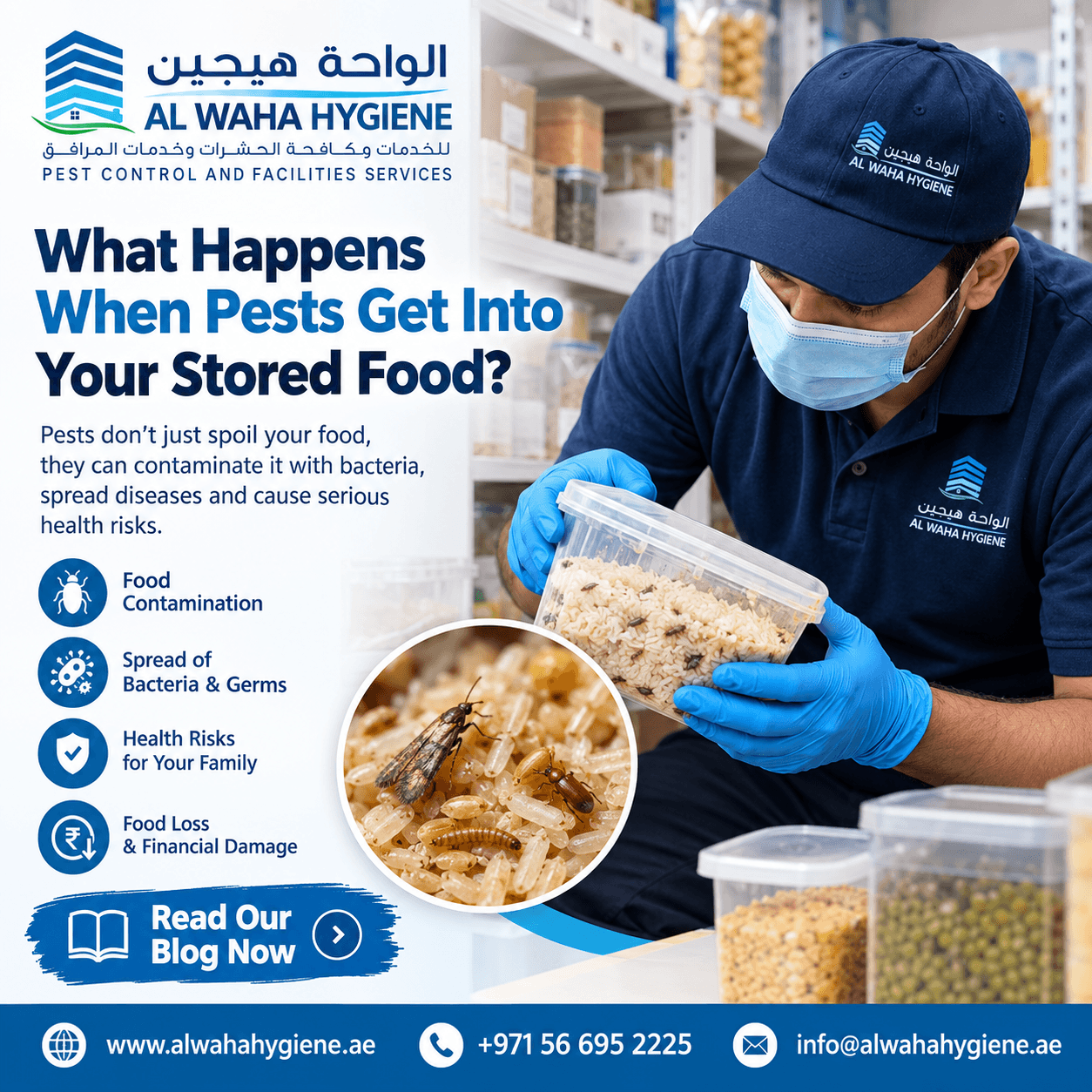
Finding insects or rodents around stored food can be worrying. Even when food is kept inside cupboards or containers, pests can reach it through small openings, damaged packaging and poorly sealed storage areas. In Abu Dhabi, warm conditions can make food-related pest problems more difficult to manage. If the problem continues, professional pest control Abu Dhabi support can help identify the source and protect your kitchen.
Can Pests Contaminate Stored Food?
Yes. Pests can contaminate food through their bodies, droppings, saliva, urine and contact with dirty surfaces. Even if you cannot see contamination, food that has been exposed to pest activity may no longer be suitable for consumption.
Common signs include damaged packets, small holes in food packaging, droppings near cupboards, unusual smells or insects around stored grains, flour, cereals and other dry foods.
What Should You Do With Exposed Food?
If you find signs of pest activity around stored food, avoid consuming products with damaged or open packaging. Check nearby items carefully, particularly foods stored in cardboard, paper or thin plastic packaging.
Dispose of visibly contaminated products safely and clean the affected storage area. Do not simply remove the food and assume the problem is solved, because pests may still be hiding behind cupboards, appliances or inside wall gaps.
Why Do Pests Get Into Kitchen Storage?
Food is an obvious attraction, but it is not the only reason. Crumbs, spills, overflowing rubbish bins, moisture and poorly sealed containers can encourage pest activity.
Small gaps around pipes, doors, windows and cabinets can also provide access. Keeping food sealed in airtight containers and cleaning storage areas regularly can reduce opportunities for pests to find food.
For homes experiencing repeated cockroach activity around kitchens, professional cockroaches pest control Abu Dhabi treatment can help address hidden areas and possible sources of infestation.
Rodents Can Also Damage Food Packaging
Rats and mice may chew through food packets, cardboard boxes and plastic containers while searching for food. This can result in food waste and create contamination concerns.
If you notice gnaw marks, droppings, scratching sounds or damaged packaging, check the surrounding areas for possible entry points. Professional rodent control Abu Dhabi can be considered when rodent activity continues despite basic cleaning and storage measures.
Could Stored Food Attract Other Pests?
Yes. Different food products can attract different types of pests. Moisture, grains, sugary foods and improperly stored waste may all contribute to pest activity.
Keeping dry goods sealed, cleaning spills quickly and avoiding long-term storage of opened food can make the kitchen less attractive to pests. Regular checks are particularly useful in larger homes, restaurants, offices and storage facilities.
How Can You Protect Your Food Storage?
A few simple habits can make a significant difference:
- Store dry foods in tightly sealed containers.
- Check packaging before placing products in cupboards.
- Clean crumbs and food spills immediately.
- Keep rubbish bins closed and empty them regularly.
- Check cupboards for moisture and leaks.
- Avoid storing food directly on the floor.
- Inspect rarely used storage areas periodically.
- Seal visible cracks and gaps where possible.
If mosquitoes are also becoming a concern around your property, reducing standing water and maintaining clean outdoor areas can help. Persistent activity may require professional mosquito control Abu Dhabi assistance.
When Should You Consider Professional Help?
If you continue finding contaminated food, droppings, damaged packaging or live pests after cleaning and improving storage, there may be a larger infestation hidden from view.
A professional inspection can help identify where pests are entering, where they are hiding and what conditions are supporting the problem. This is particularly important for businesses where food hygiene and storage standards are essential.
For anyone searching for pest control near you, choosing an experienced local provider such as Al Waha Hygiene can help address the underlying issue rather than focusing only on visible pests.
Final Thoughts
Pests around stored food are more than a nuisance. They can lead to food waste, contamination concerns and ongoing hygiene problems. Good food-storage habits can reduce the risk, but recurring pest activity should not be ignored.
If signs of infestation continue, professional assessment can help identify the cause and determine the appropriate solution for your Abu Dhabi property.
FAQs
1. Can pests contaminate stored food?
Yes. Pests can contaminate food through contact with their bodies, droppings, saliva and urine. Food exposed to pest activity may become unsafe even when visible contamination is not obvious.
2. Should I throw away food touched by pests?
Food with damaged, opened or visibly contaminated packaging should generally be discarded. Check nearby products as well, because pests can move between stored food items without being noticed.
3. Why do pests get into kitchen cupboards?
Pests enter cupboards because they provide access to food, warmth and shelter. Open packets, crumbs, spills, moisture and gaps around cabinets can make storage areas particularly attractive.
4. How can I protect stored food from pests?
Keep food in airtight containers, clean spills quickly, inspect packaging before storage and keep cupboards dry. Regularly checking rarely used storage areas can also help detect pest activity early.
5. Can cockroaches contaminate food?
Yes. Cockroaches can carry contaminants on their bodies and may spread them when they move across food, utensils and kitchen surfaces. Food exposed to cockroach activity should be handled carefully.
6. Can rats and mice damage stored food?
Yes. Rodents can chew through cardboard, plastic and other packaging while searching for food. Their activity can result in food waste, contamination concerns and damage to storage materials.
7. What are signs of pests around stored food?
Common signs include damaged packets, droppings, gnaw marks, unusual odours, live insects, shed skins and food particles scattered around cupboards or storage areas.
8. Does keeping the kitchen clean prevent pest problems?
Good hygiene can reduce food sources, but cleaning alone may not prevent pests. Entry gaps, moisture, hidden nesting areas and nearby infestations can still allow pests to access your kitchen.
9. Can pests enter sealed food packets?
Some pests can chew through thin packaging, while others may enter through tiny openings or damaged seals. Using durable, airtight containers provides better protection for stored food.
10. What should I do if I repeatedly find pests near food?
Remove exposed food, clean the storage area and inspect nearby cupboards and entry points. If pest activity continues, a professional inspection can help identify the underlying source.
11. Can stored food attract pests even after opening?
Yes. Opened food, crumbs and spilled ingredients can attract pests, particularly when they remain accessible for long periods. Resealing food promptly helps reduce potential food sources.
12. When should I get professional help for food-related pest problems?
Professional help is worth considering when pests repeatedly appear around food storage, contamination signs continue, or cleaning and improved storage practices do not resolve the problem.