
Why Dubai Water Tanks Get Dirty: Simple Solutions
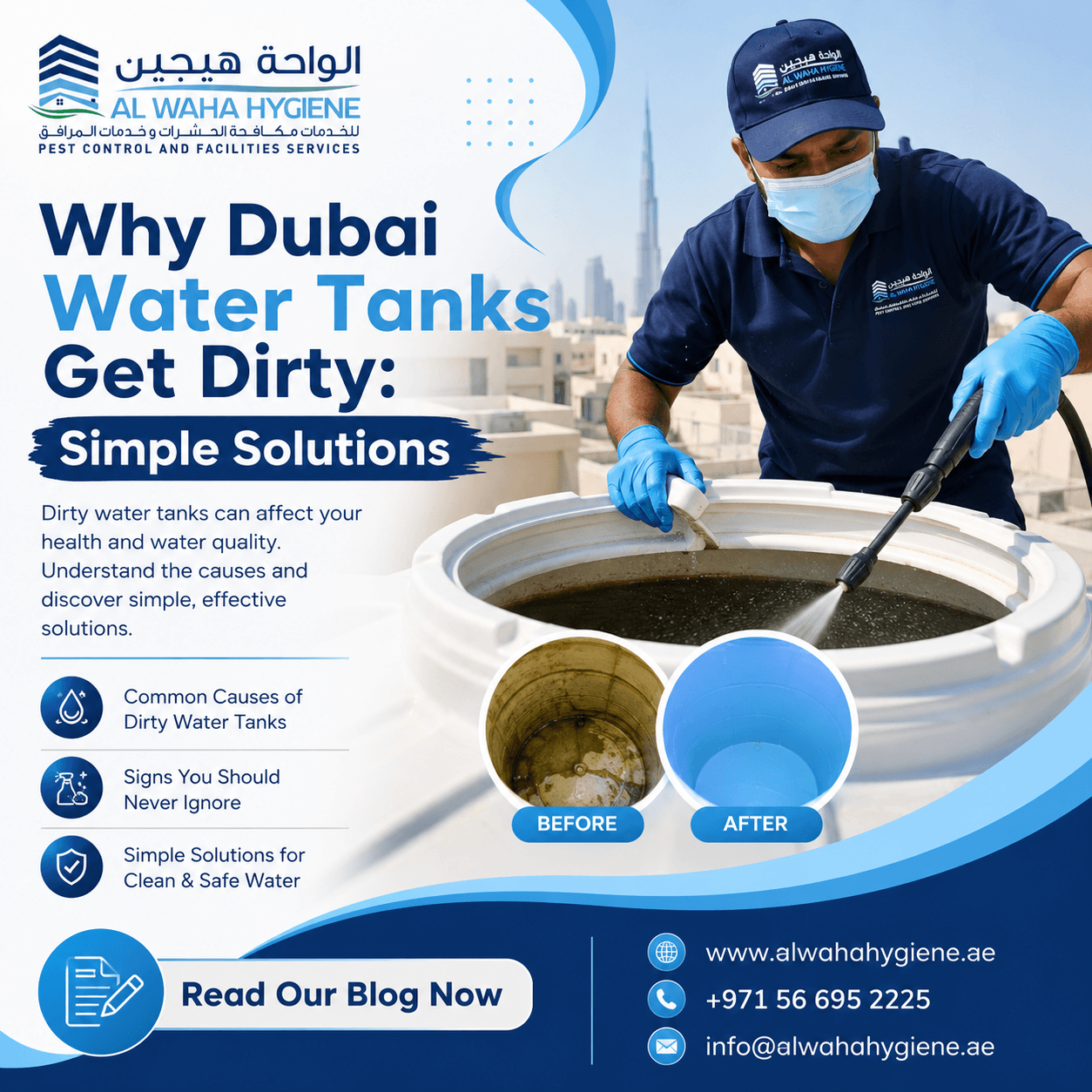
Water tank problems can affect water quality, hygiene, and the comfort of people living or working in a property. In Dubai, heat, dust, humidity, and long periods of water storage can increase the chances of sediment, algae, unpleasant smells, and microbial contamination. If you are searching for water tank cleaning Dubai, understanding these problems can help you identify when professional attention may be needed.
Why Does Water in a Tank Become Dirty?
Even when the incoming water is clean, a storage tank can collect dust, sediment, rust particles, and other deposits over time. These materials can settle at the bottom or stick to the tank walls. If the tank remains untreated for too long, algae and microbial growth may also develop.
A simple visual inspection can reveal warning signs such as cloudy water, unusual colour, bad odour, or visible deposits. However, some contamination may not be visible, which is why regular professional inspection and cleaning are important.
What Should You Do About Sediment at the Bottom?
Sediment is one of the most common water tank issues. It usually accumulates gradually and can become difficult to remove through normal draining alone.
If you notice a layer of mud, sand, or sludge at the bottom, the tank should be professionally emptied and cleaned. Avoid trying to enter the tank yourself, as confined spaces can present serious safety risks. Professional technicians have the appropriate equipment and procedures for safe cleaning.
How Can You Deal With Algae and Slime?
Green or dark patches on tank walls may indicate algae or biological buildup. This problem can become more noticeable when tanks are exposed to heat or light.
Proper cleaning involves removing the buildup from internal surfaces rather than simply replacing the stored water. After physical cleaning, appropriate disinfection helps reduce remaining microorganisms. If other parts of a property also need attention, a deep cleaning Dubai service can address accumulated dirt and hygiene concerns in living or working spaces.
What If the Water Has a Bad Smell?
An unusual smell from stored water should not be ignored. It may be associated with stagnant water, organic deposits, microbial activity, or inadequate tank maintenance.
The first step is to identify the source rather than masking the smell with household products. The tank should be inspected, emptied when necessary, cleaned, and properly disinfected. If the problem continues after cleaning, checking the connected plumbing and water supply can help identify the underlying cause.
Does Tank Cleaning Remove Bacteria?
Physical cleaning removes dirt, sludge, algae, and deposits, but cleaning alone may not address all microorganisms. This is why professional tank maintenance generally includes an appropriate disinfection stage.
After cleaning, the tank should be rinsed and prepared correctly before being returned to service. For properties facing separate sanitation concerns, a disinfection services Dubai can provide professional treatment for areas where reducing harmful microorganisms is a priority.
When Should You Arrange Professional Cleaning?
Do not wait until the water becomes visibly dirty. Signs such as repeated sediment, unpleasant odour, algae, cloudy water, or long periods without maintenance indicate that the tank needs attention.
The frequency of professional cleaning depends on the tank, property, usage, and applicable local requirements. Property owners should follow the relevant Dubai regulations and maintain service records where required.
Why Professional Cleaning Is Safer
Water tanks are difficult to clean properly without suitable equipment, protective gear, and knowledge of safe procedures. Attempting DIY cleaning may leave hidden deposits behind or introduce additional contamination.
A professional team can inspect the tank, remove accumulated material, clean internal surfaces, disinfect the system, and complete the process using appropriate safety measures. Al Waha Hygiene provides professional hygiene solutions designed around the needs of residential and commercial properties in Dubai.
What Other Hygiene Problems Should Property Owners Check?
Water tank hygiene is only one part of maintaining a healthy property. Damp areas, food waste, poor sanitation, and unclean surroundings can contribute to other hygiene and pest-related problems.
If you are experiencing insects or rodents around your property, professional pest control Dubai services can help identify the source and provide an appropriate treatment plan rather than simply treating visible pests.
For residents searching for reliable hygiene assistance in their area, choosing a professional pest control near you can also make it easier to arrange inspection and timely treatment when pest activity appears.
Conclusion
Dirty water, sediment, algae, unpleasant odours, and possible microbial contamination are common problems associated with poorly maintained storage tanks. Identifying these warning signs early can help prevent bigger hygiene concerns.
Instead of relying on temporary fixes, professional inspection, cleaning, and disinfection provide a more reliable approach. For details about the complete service, property owners can visit Al Waha Hygiene’s dedicated professional water tank cleaning service page.
Need Professional Help?
If your tank has visible deposits, unusual odour, algae, or has not been professionally maintained for a long time, contact Al Waha Hygiene for professional water tank hygiene solutions in Dubai.
FAQs
1. How often should a water tank be cleaned in Dubai?
Water tanks should be cleaned according to applicable Dubai requirements and the property’s usage and conditions. Regular professional maintenance helps prevent sediment, algae, odours, and other contamination from accumulating inside the tank.
2. What are the signs that a water tank needs cleaning?
Common warning signs include cloudy water, unpleasant smell, visible sediment, algae, slime, or unusual colour. Even without visible problems, scheduled professional maintenance is important because some contamination cannot be detected through appearance alone.
3. Can dirty water tanks make you sick?
A poorly maintained tank may allow microorganisms, sediment, or other contaminants to accumulate. Using contaminated water can create hygiene concerns, so professional inspection, cleaning, and appropriate disinfection are recommended when contamination is suspected.
4. Can algae grow inside a water tank?
Yes. Algae can develop when suitable conditions such as light, warmth, and moisture are present. Removing algae requires proper cleaning of affected surfaces rather than simply draining and replacing the water.
5. Why does my tank water smell bad?
Bad smells may result from stagnant water, organic deposits, microbial growth, or inadequate maintenance. Professional inspection can help determine the cause and establish whether cleaning, disinfection, or plumbing checks are necessary.
6. Is it safe to clean a water tank yourself?
DIY tank cleaning can involve confined-space, chemical, and contamination risks. Professional technicians have suitable equipment and safety procedures, making professional cleaning a safer option for residential and commercial properties.
7. Does water tank cleaning remove sediment?
Yes. Professional cleaning can remove accumulated sand, dirt, sludge, and other deposits from the tank. Proper removal is important because sediment can build up over time and affect stored water quality.
8. Does tank cleaning also disinfect the water tank?
Professional tank maintenance may include an appropriate disinfection stage after physical cleaning. Disinfection helps address microorganisms that may remain after dirt, sludge, and deposits have been removed.
9. Should a water tank be cleaned if the water looks clear?
Yes. Clear-looking water does not necessarily mean the tank is free from microorganisms or deposits. Regular professional inspection and maintenance help identify problems that may not be visible to the naked eye.
10. What should I do if tank water becomes cloudy?
Stop ignoring the change and arrange an inspection. Cloudiness may be linked to sediment, disturbed deposits, contamination, or plumbing issues. A professional assessment can determine whether cleaning and disinfection are required.