Why Commercial Kitchen Drainage Systems Need Regular Grease Management
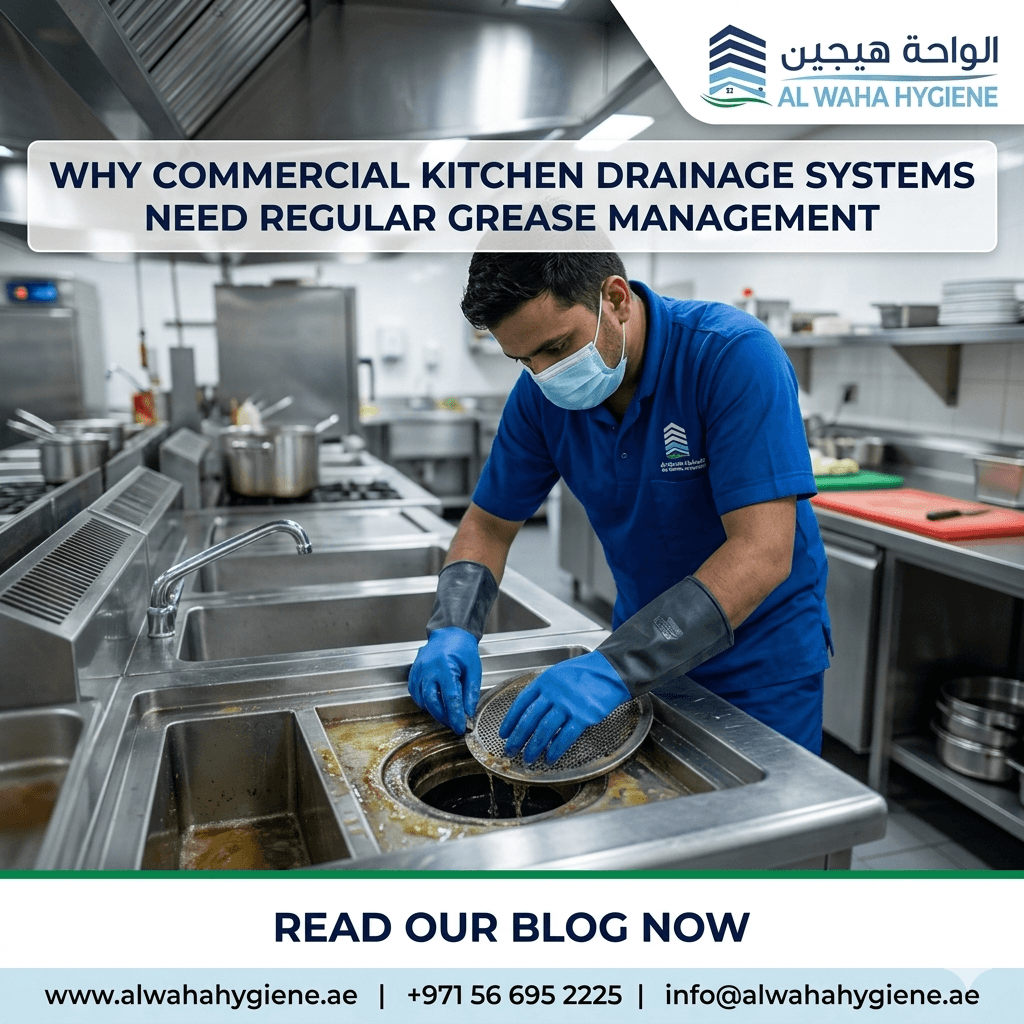
Commercial kitchen drainage systems handle large volumes of wastewater containing fats, oils, and grease every day. While professional grease trap cleaning in Dubai services help businesses maintain compliant drainage systems, effective grease management involves much more than periodic cleaning. Proper grease control practices help restaurants, cafés, hotels, and food preparation facilities reduce drainage issues, maintain hygienic operations, and prevent costly disruptions.
Understanding Grease Management in Commercial Kitchens
Grease management refers to the process of controlling, collecting, and removing fats, oils, and grease before they enter the drainage network. Commercial kitchens produce significant amounts of grease during cooking, food preparation, and dishwashing activities. Without proper management, grease can accumulate inside pipes and create serious operational challenges.
How Grease Affects Commercial Kitchen Drainage Systems
When grease enters drainage pipes, it gradually sticks to the pipe walls and hardens over time. This buildup restricts water flow and can eventually lead to blockages.
Common consequences include:
- Slow-draining sinks
- Frequent drainage backups
- Unpleasant odors
- Increased plumbing maintenance costs
- Operational downtime
The Importance of Regular Grease Management
Routine grease management helps commercial kitchens maintain efficient drainage performance and avoid unexpected issues.
Key benefits include:
Improved Drainage Efficiency
Regular grease removal reduces buildup inside drainage systems and allows wastewater to flow freely.
Reduced Risk of Blockages
Preventive grease management minimizes the chances of major drainage obstructions that can interrupt daily operations.
Better Hygiene Standards
Clean drainage systems contribute to a more hygienic kitchen environment by reducing odours and waste accumulation.
Enhanced Regulatory Compliance
Proper grease management helps food establishments meet operational and sanitation requirements applicable to commercial kitchens.
Warning Signs of Poor Grease Control
Kitchen operators should monitor their drainage systems for signs that grease buildup may be becoming a problem.
These signs include:
- Water draining slowly from sinks
- Gurgling sounds in drainage lines
- Persistent foul smells
- Recurring drain blockages
- Overflowing grease collection units
Early intervention can prevent costly repairs and business interruptions.
Supporting Overall Facility Hygiene
Effective grease management should be part of a broader hygiene and maintenance strategy. Many commercial facilities also schedule water tank cleaning Dubai to maintain clean water storage systems and support operational cleanliness.
For drainage systems experiencing heavy buildup, periodic drain line jetting Dubai services can help remove accumulated deposits and improve wastewater flow.
Food businesses also benefit from professional pest control Dubai solutions, which help maintain hygienic environments and reduce the risk of infestations.
Professional Grease Management Support
At Al Waha Hygiene, we understand the importance of maintaining clean and hygienic commercial facilities. Our team supports restaurants, cafés, hotels, and food service establishments with reliable maintenance solutions that help keep drainage systems functioning efficiently while supporting long-term operational performance.
Conclusion
Commercial kitchen drainage systems depend on effective grease management to operate efficiently. Regular monitoring, preventive maintenance, and timely grease removal can help businesses avoid blockages, reduce maintenance costs, and maintain hygienic working environments. By adopting a proactive approach, commercial kitchens can ensure smoother operations and better long-term drainage performance.