
Pest Infestation Again? Possible Reasons Behind the Problem
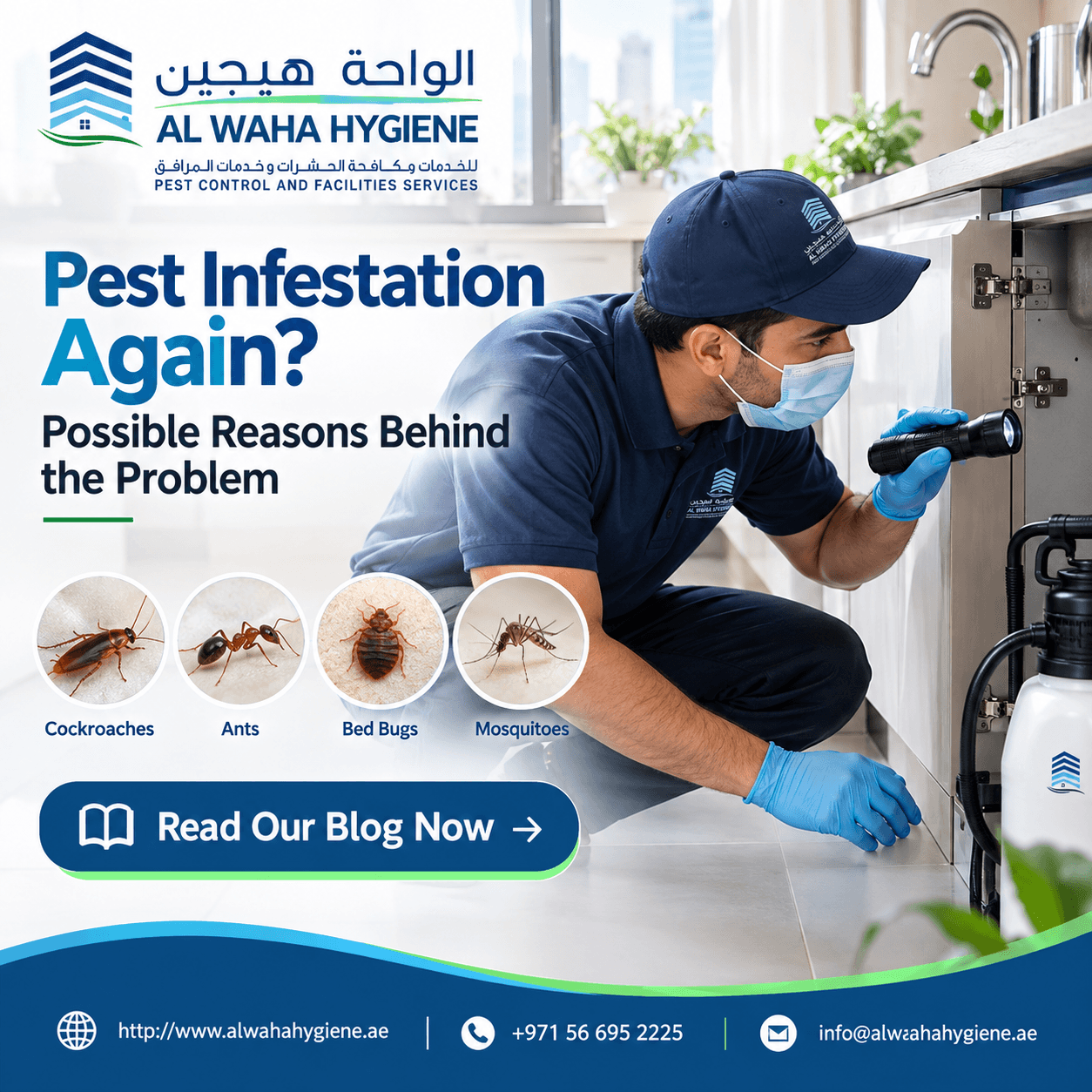
Pest infestation can become a recurring problem in Dubai homes, offices, restaurants, and other properties, especially when hidden causes are not addressed. If pests keep returning despite cleaning or previous treatment, pest control Dubai can help identify the source and determine a suitable solution instead of treating only the visible pests.
Why Do Pests Keep Coming Back?
Seeing pests again after treatment does not always mean the treatment was ineffective. Food sources, moisture, hidden nesting areas, cracks, drainage points, and easy entry routes can allow pests to return. Finding these conditions is an important step toward understanding why the infestation keeps happening.
1. Hidden Food Sources
Even small amounts of food can attract pests. Crumbs under appliances, uncovered food, overflowing bins and poorly stored groceries may provide easy access. Regular cleaning, sealed food containers and proper waste disposal can reduce the conditions that attract insects and rodents.
2. Moisture and Water Leaks
Leaking taps, damp corners, blocked drains and standing water can create favourable conditions for several types of pests. Check areas under sinks, around bathrooms, kitchens and outdoor water sources. Fixing plumbing and drainage issues can be an important part of preventing repeated pest activity.
3. Cracks and Entry Points
Small gaps around doors, windows, pipes, walls and ventilation points can provide pests with easy access. Even after treatment, new pests may enter through these openings. Inspecting and sealing possible entry points can help reduce the chances of another infestation.
4. Cockroaches Returning to the Kitchen
Cockroaches can hide behind refrigerators, inside cabinets, near drains and in other difficult-to-reach spaces. If you repeatedly notice cockroaches after cleaning, you can explore cockroaches pest control Dubai to understand professional treatment options and the areas that may require attention.
5. Ants Following Hidden Trails
Ants may continue appearing when their food source or entry route remains available. Cleaning visible trails may provide temporary relief, but identifying where ants are entering can help address the underlying issue. For recurring activity, ant control Dubai can be considered based on the affected area and infestation level.
6. Bed Bugs Hiding in Small Spaces
Bed bugs can remain hidden in mattresses, bed frames, furniture and cracks during the day. Changing or washing bedding alone may not resolve an established infestation. If you notice repeated bites or signs around sleeping areas, bed bugs pest control Dubai can help you understand the inspection and treatment process.
7. Standing Water and Mosquito Activity
Mosquitoes can become a recurring issue when stagnant water is present around balconies, gardens, drains, containers or other outdoor areas. Removing standing water is an important preventive step. If mosquito activity continues, mosquito control Dubai can help address persistent mosquito-related concerns.
When Should You Consider Professional Help?
Professional assistance may be useful when pests repeatedly appear, the infestation is spreading, or household methods provide only temporary results. Before treatment, note where pests are being seen, how frequently they appear, and whether previous treatments were performed. These details can help identify possible causes.
What Can Dubai Property Owners Do?
Regular cleaning, proper waste disposal, moisture control, sealing gaps and checking potential breeding or nesting areas can help reduce pest activity. However, prevention alone may not be enough for an established infestation. The right approach depends on the pest type, property conditions and extent of the problem.
If you are dealing with recurring pest activity, Al Waha Hygiene can help you understand the problem and explore an appropriate pest-management approach. Residents can also search for pest control near you when they need professional assistance based on their location in Dubai.
The key is to look beyond the pests you can see. Identifying food sources, moisture, hiding places and entry points can help address the reasons behind repeated infestations and support a cleaner, more comfortable property.
FAQs
1. Why do pests keep coming back after treatment?
Pests may return when food sources, moisture, nesting areas or entry points remain available. Some pests can also hide in places that are difficult to reach during treatment. Identifying the conditions supporting the infestation is important for reducing recurring pest activity.
2. What attracts pests to homes in Dubai?
Food waste, uncovered food, moisture, standing water, poor drainage and small structural gaps can attract pests. Dubai’s warm climate can also support pest activity throughout much of the year. Maintaining cleanliness and addressing moisture or entry-point issues can help reduce potential pest problems.
3. Can poor drainage cause pest problems?
Yes. Poor drainage can create damp conditions and standing water that may attract or support certain pests. Blocked drains can also provide hiding or entry areas for insects. Checking drainage points and fixing leaks or blockages can therefore be an important part of pest prevention.
4. Why are cockroaches still appearing after cleaning?
Cleaning removes food debris and surface contamination but may not eliminate hidden cockroaches, eggs or nesting areas. Cockroaches can hide behind appliances, inside cabinets and around drains. If activity continues, identifying their hiding and entry points may be necessary.
5. How can I stop ants from coming back?
Start by removing food sources, cleaning surfaces and sealing gaps where ants may enter. However, recurring ants may indicate an accessible food source or hidden colony. Identifying their entry route and addressing the underlying source can provide a more effective long-term approach.
6. How do I know if my home has bed bugs?
Possible signs include repeated bites, small blood marks, dark spots, shed skins or live bugs around mattresses and bed frames. Because bed bugs can hide in very small spaces, seeing only a few signs does not always indicate the full extent of the infestation.
7. Can stagnant water increase mosquito problems?
Yes. Mosquitoes can breed in stagnant water found in containers, plant trays, drains and other areas where water remains undisturbed. Regularly checking and removing standing water around the property can help reduce potential breeding locations and lower mosquito activity.
8. Are DIY pest treatments enough for recurring infestations?
DIY products may help with visible pests or minor activity, but recurring infestations can have hidden sources. Spraying visible insects may not address nests, eggs, entry points or breeding areas. Persistent pest activity may require a proper inspection and treatment plan.
9. When should I call a pest control professional?
Consider professional help when pests continue returning, spread to multiple areas, become difficult to manage or remain active despite household measures. Early assessment can help identify the pest type, possible source and property conditions contributing to the infestation.
10. What should I check before pest treatment?
Check where pests are appearing, possible food sources, moisture, cracks, drains and previous treatment history. Remove exposed food and follow any preparation instructions provided by the service provider. Proper preparation can help professionals access affected areas and apply the selected treatment appropriately.
11. Do Dubai properties need regular pest inspections?
Regular checks can be useful, particularly for properties with recurring pest activity, food-handling areas, moisture problems or previous infestations. Inspections can help identify early signs and contributing conditions before a minor pest issue develops into a larger infestation.
12. Can sealing cracks prevent pests?
Sealing cracks and gaps can reduce opportunities for pests to enter or move between areas. Pay attention to spaces around doors, windows, pipes, cabinets and ventilation points. However, sealing entry points works best when combined with good hygiene and proper management of existing infestations.