
Why Water Tanks Develop Cleaning Problems in Dubai
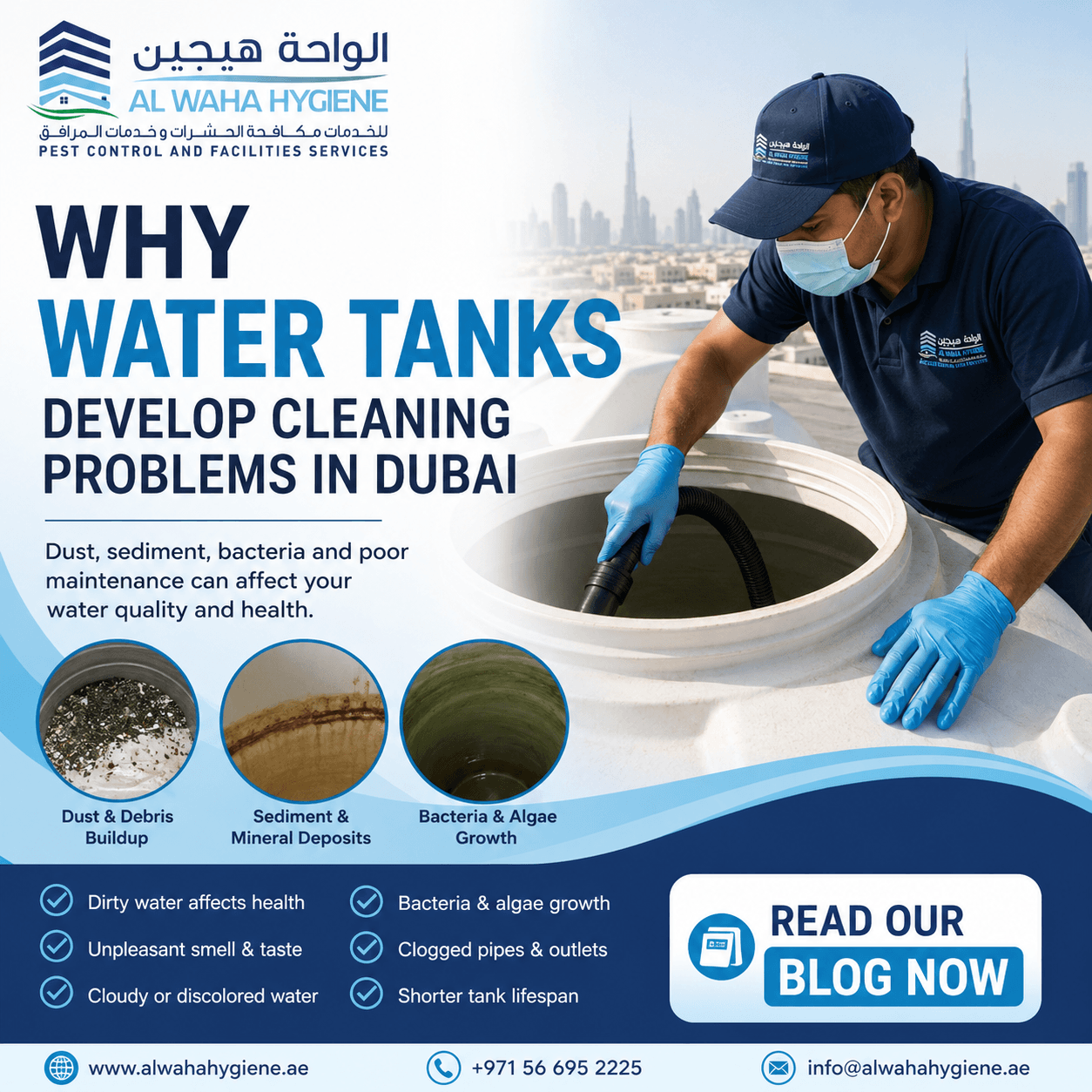
Water tanks are an important part of many residential and commercial properties in Dubai, but they can develop cleanliness and water-quality problems when they are not maintained properly. If you are looking for water tank cleaning Dubai, it is important to understand what causes tank contamination, how to identify warning signs, and when professional cleaning may be needed. This guide focuses on common water tank problems and practical ways to prevent them.
What Causes Water Tank Problems?
A water tank may look closed and protected, but it can still collect dust, sediment, mineral deposits, and other contaminants over time. Small amounts of dirt can enter through tank openings, covers, vents, or damaged seals.
Dubai’s hot and dusty environment can make this problem more noticeable. If a tank is not inspected and cleaned at suitable intervals, accumulated deposits can affect the quality of stored water.
Common causes include:
- Dust and debris entering the tank
- Sediment settling at the bottom
- Poorly fitted or damaged tank covers
- Long gaps between cleaning
- Biofilm and microbial buildup
- Moisture and environmental contamination
- Damaged tank surfaces or fittings
Is Your Tank Water Showing Warning Signs?
You do not always need to open the tank to suspect a problem. Changes in the water supplied to your property can be an early warning sign.
Watch for:
- Unusual smell from water
- Cloudy or discoloured water
- Visible particles or sediment
- Unusual taste
- Frequent plumbing blockages
- Sludge or deposits around outlets
- Water quality changing after storage
These signs do not always mean the tank is severely contaminated, but they should not be ignored. A professional inspection can help identify whether the issue is related to the tank, plumbing system, or another source.
Why Regular Inspection Is Important
One common mistake property owners make is waiting until the water looks dirty before arranging tank maintenance. By that stage, sediment and deposits may already have accumulated inside the tank.
Regular inspection helps identify problems at an earlier stage. It can also reveal damaged covers, loose fittings, cracks, or areas where dirt can enter the storage system.
For properties with high water usage, regular maintenance can be especially important because the tank and connected water system are used more frequently.
What Happens During Professional Tank Cleaning?
Professional cleaning is more than simply removing visible dirt. A proper process generally starts with an inspection of the tank and its condition.
Depending on the tank and its condition, the process may include:
- Inspecting the tank and identifying visible contamination.
- Removing accumulated sediment, sludge, and debris.
- Cleaning internal surfaces using suitable equipment.
- Rinsing the tank to remove loosened deposits.
- Applying appropriate disinfection methods.
- Checking the tank after cleaning.
- Providing maintenance recommendations where required.
The exact method can vary depending on the tank type, level of contamination, accessibility, and property requirements.
When Commercial Properties Need Extra Attention
Commercial properties often have larger tanks and higher water consumption. Offices, restaurants, residential buildings, warehouses, and other facilities may need a more organised maintenance approach.
Along with water storage, businesses usually need to maintain several other hygiene areas. This is where professional commercial cleaning Dubai services can support broader property hygiene. However, tank cleaning should still be treated as a separate maintenance requirement because it concerns the property’s water storage system.
Do Not Confuse Tank Cleaning With General Deep Cleaning
Another common issue is assuming that general property cleaning is enough to maintain a water tank. It is not.
Deep cleaning Dubai services are generally focused on detailed cleaning of areas such as floors, kitchens, bathrooms, surfaces, and other parts of a property. Water tank cleaning requires a specific approach because the inside of the tank is directly connected with stored water.
Keeping these services separate helps property owners understand which hygiene problem needs which type of professional solution.
Can Pest Activity Affect Water Tank Hygiene?
Pest activity around a property can also create hygiene concerns. Openings, damaged covers, or poorly maintained surrounding areas may increase the possibility of unwanted insects or other pests entering vulnerable spaces.
If you are also experiencing pest-related problems, professional pest control Dubai services can help address the wider pest issue. However, pest control does not replace proper water tank cleaning. Both problems should be handled according to their specific cause.
How Can You Prevent Future Tank Problems?
Cleaning is only one part of good tank maintenance. Property owners can reduce future problems by taking simple preventive steps:
- Keep the tank properly covered.
- Check covers and access points regularly.
- Avoid storing unnecessary items near the tank.
- Look for cracks, leaks, or damaged fittings.
- Monitor changes in water appearance or smell.
- Follow an appropriate cleaning and inspection schedule.
- Use qualified professionals when specialised cleaning is required.
Prevention can help reduce contamination risks and make it easier to identify problems before they become serious.
When Should You Contact a Professional?
If your water has changed in colour, smell, or appearance, or if you cannot remember when the tank was last cleaned, it may be time to arrange an inspection.
Al Waha Hygiene provides professional hygiene solutions in Dubai and can help property owners understand their water tank cleaning requirements. For detailed information about the service, cleaning process, and suitable maintenance approach, refer to the water Tank Cleaning Dubai service page.
The goal should not simply be to clean a tank once. Proper maintenance means keeping the water storage system in a condition that supports safe and reliable water use.
FAQs
1. How often should a water tank be cleaned?
The required cleaning frequency depends on the property, tank condition, water usage, and applicable local requirements. A tank should not be left unattended for long periods. Regular inspection can help determine when cleaning is necessary and whether sediment, debris, or other contamination has started accumulating.
2. What are the signs that a water tank needs cleaning?
Common warning signs include cloudy water, unusual smell, visible particles, sediment, unpleasant taste, or repeated changes in water quality. However, a tank can also contain deposits without producing obvious signs. Regular professional inspection is therefore useful, especially when the previous cleaning date is unknown.
3. Can dirty water tanks affect water quality?
Yes. Sediment, debris, microbial growth, and other contaminants inside a poorly maintained tank may affect the appearance, smell, taste, and overall quality of stored water. Professional cleaning removes accumulated deposits and supports better hygiene of the water storage system.
4. Is cleaning a water tank the same as disinfecting it?
No. Cleaning primarily focuses on removing physical dirt, sediment, sludge, and deposits. Disinfection is a separate step designed to reduce harmful microorganisms. Depending on the tank’s condition and service requirements, both cleaning and suitable disinfection may form part of professional tank maintenance.
5. Why does water sometimes smell after being stored?
An unusual smell can have several possible causes, including accumulated organic matter, stagnant water, deposits, microbial growth, or issues elsewhere in the plumbing system. If the smell continues, inspecting the tank and connected water system can help identify the actual source instead of simply treating the symptom.
6. Can sediment collect inside a water tank?
Yes. Small particles, minerals, dust, and other materials can gradually settle at the bottom of a storage tank. Over time, this sediment can become difficult to remove through normal water usage. Professional cleaning helps remove accumulated deposits from areas that cannot be reached through routine use.
7. Does a closed water tank still need cleaning?
Yes. A covered tank can still collect sediment and deposits over time. Small openings, vents, fittings, maintenance access points, and environmental conditions may allow contaminants to enter. Keeping the tank covered reduces exposure, but it does not eliminate the need for inspection and periodic maintenance.
8. What should I do if my tank water looks cloudy?
Avoid ignoring a sudden or persistent change in water appearance. Check whether the issue is limited to one outlet or affects the property generally. If the problem continues, arrange a professional inspection of the tank and water system to determine whether sediment, contamination, or another issue is responsible.
9. Can damaged tank covers cause hygiene problems?
Yes. A damaged, loose, or poorly fitted cover can make it easier for dust, insects, debris, and other contaminants to enter the tank. During routine inspection, the condition of the cover, access points, vents, and surrounding area should also be checked so potential contamination routes can be identified.
10. Why choose professional water tank cleaning?
Professional cleaning provides a structured approach to inspection, removal of deposits, cleaning, and disinfection. It can also help identify problems that may not be visible from outside the tank. For property owners, this makes maintenance more systematic and reduces the risk of overlooking important hygiene concerns.